Bedroom Decor
12 Cozy Bedroom Ideas for a Warm, Relaxing Space
Explore 12 cozy bedroom ideas with warm lighting, layered bedding, soft curtains, practical storage and personal touches for a comfortable space.
- Published
- November 12, 2026
- Reading time
- 13 minutes
- By
- NorahDecor Editorial
A cozy bedroom doesn't need to look like a matching furniture showroom. It needs a few things that feel good in everyday life: bedding that suits the season, lighting you can adjust, a place to set down a book, and enough breathing room to move around comfortably.
The nicest rooms often mix old and new. A painted dresser can sit beside a simple upholstered bed. A patterned quilt can work with plain cotton sheets. Even a bedroom with white walls and basic furniture can feel welcoming when the light, texture, and proportions are considered together.
These twelve cozy bedroom ideas are about making what you already have work better. Some require no purchase at all. Others are small upgrades worth measuring and planning before you spend.
Before you decorate: a five-minute bedroom check
Stand in your doorway and look at the room with the lamps switched off. What feels unfinished? Often the answer is more specific than "I need new decor."
- If the room feels flat: It may need varied lighting, texture, or one stronger accent color.
- If the bed looks cold or unfinished: Check the bedding layers before changing furniture.
- If the room feels crowded: Remove or relocate one unused item before adding a new piece.
- If the space doesn't feel restful: Consider light control, clutter around the bed, and the things you see first when you enter.
1. Build a warm color palette without turning everything beige
Cream and oatmeal are popular in cozy bedrooms for good reason: they work with wood, linen, and many existing furniture finishes. But they aren't the only way to make a room feel comfortable.
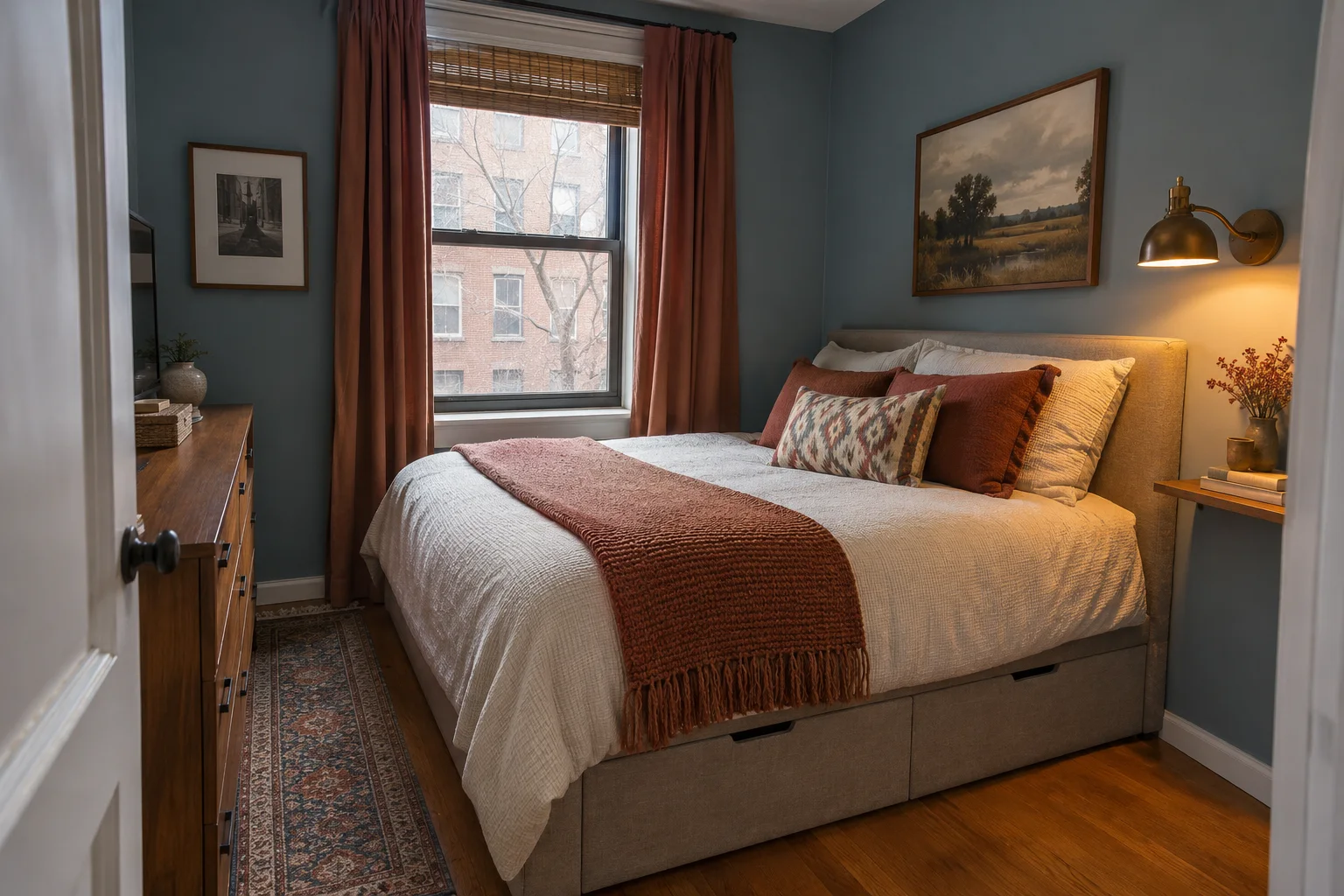
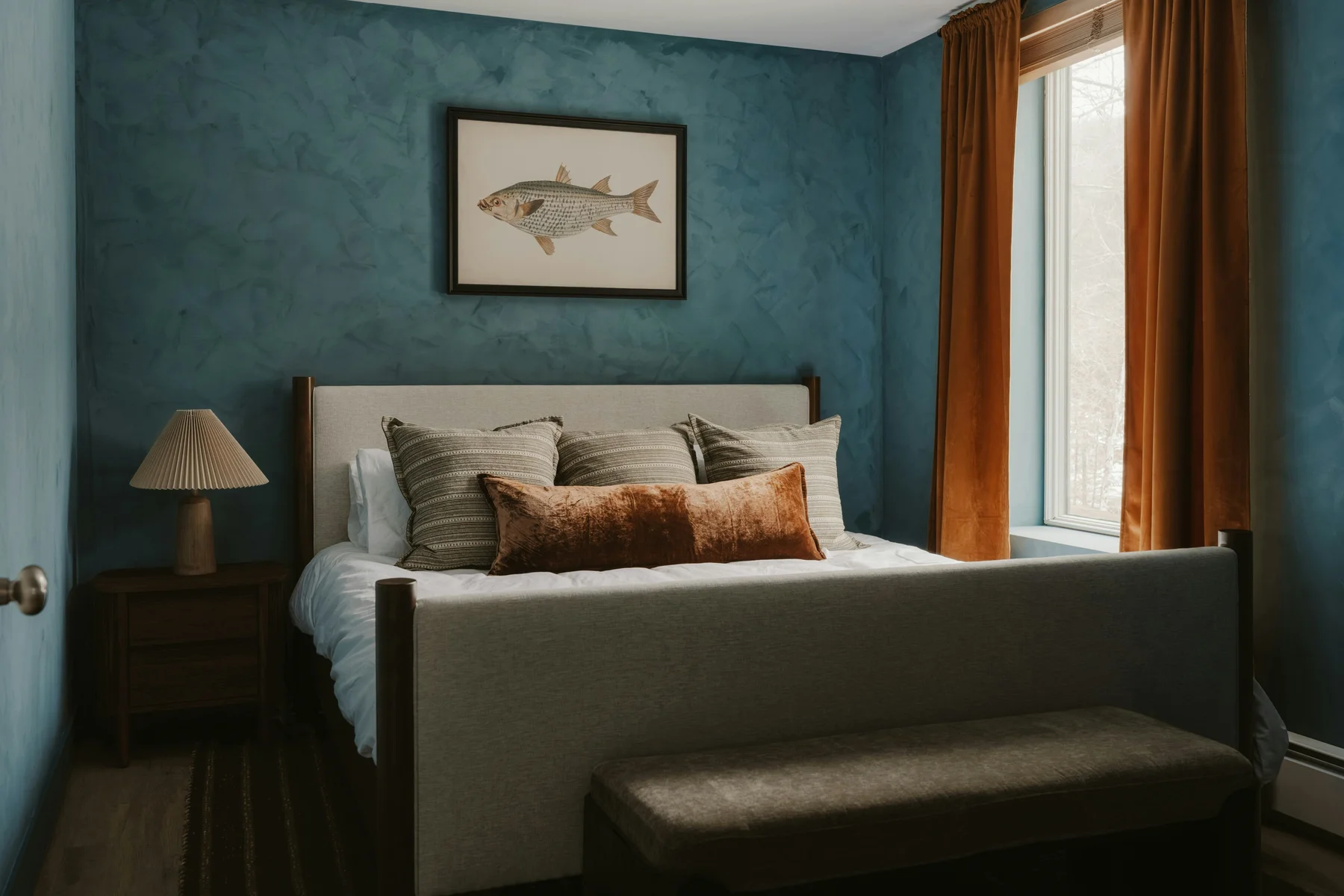
Dusty blue, olive, muted plum, terracotta, and tobacco brown can be equally inviting. The key is to repeat a few shades rather than introduce a new color on every surface. For example, a pale blue wall can look connected to the rest of the room when the bed has a blue-gray quilt and the artwork includes a similar tone.
An easy starting formula is one foundation color, one supporting color, and one darker or warmer accent. Let the bedding, curtains, and larger furniture establish the foundation. Introduce the accent through cushions, a throw, pottery, or a lampshade.
If you're uncertain about painting, begin with a removable element. A new duvet cover or a vintage-style throw can test the palette without committing the whole room.
2. Layer the bed for comfort, not for a photograph
The bed occupies much of the visual space in most bedrooms, so a small change here can have a big effect. Start with bedding that actually feels comfortable in your climate. Then build the look with two or three considered layers.
A simple arrangement might include fitted sheets, a comfortable duvet or coverlet, sleeping pillows, and a folded throw at the foot. One or two decorative cushions can add color or texture, but they aren't mandatory. If you have to move a mountain of pillows before sleeping, the styling has become less practical.
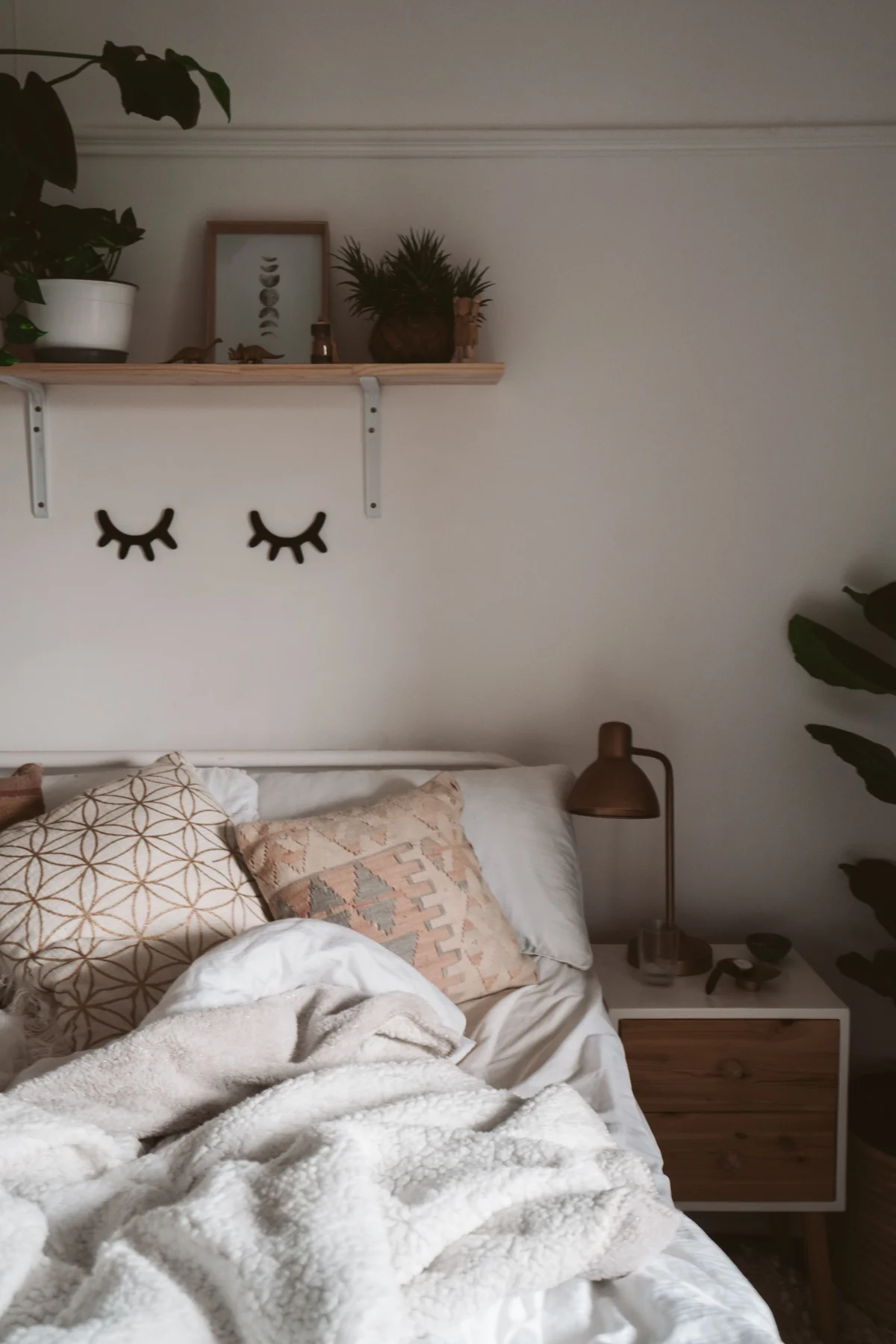
Mix textures rather than matching everything. Crisp cotton with a soft knit, washed linen with quilted stitching, or a smooth duvet with a lightly nubby blanket creates interest without a lot of pattern. In warmer weather, substitute a light coverlet for heavy throws.
3. Replace one harsh light with several softer options
A single bright ceiling fixture makes every part of the room equally visible. That is useful for cleaning, but it isn't always the atmosphere you want at night.
Instead, think of three lighting jobs. You need enough general light to see the room, a focused light for reading or getting dressed, and a gentler light for winding down. A table lamp with a fabric shade, an adjustable reading light, and a dimmable ceiling fixture can cover these jobs without extensive electrical work.
For a softer-looking light, many people prefer warm-white bulbs, often labeled around 2700 K to 3000 K. Check brightness as well as color temperature: a warm bulb can still be uncomfortably bright if its output is too high. Choose compatible dimmable bulbs and fixtures if you want adjustable brightness.
In a small room, one good bedside lamp can be enough to change how the whole space feels. If outlets are awkwardly placed, a rechargeable lamp may be more practical than a trailing extension cord.
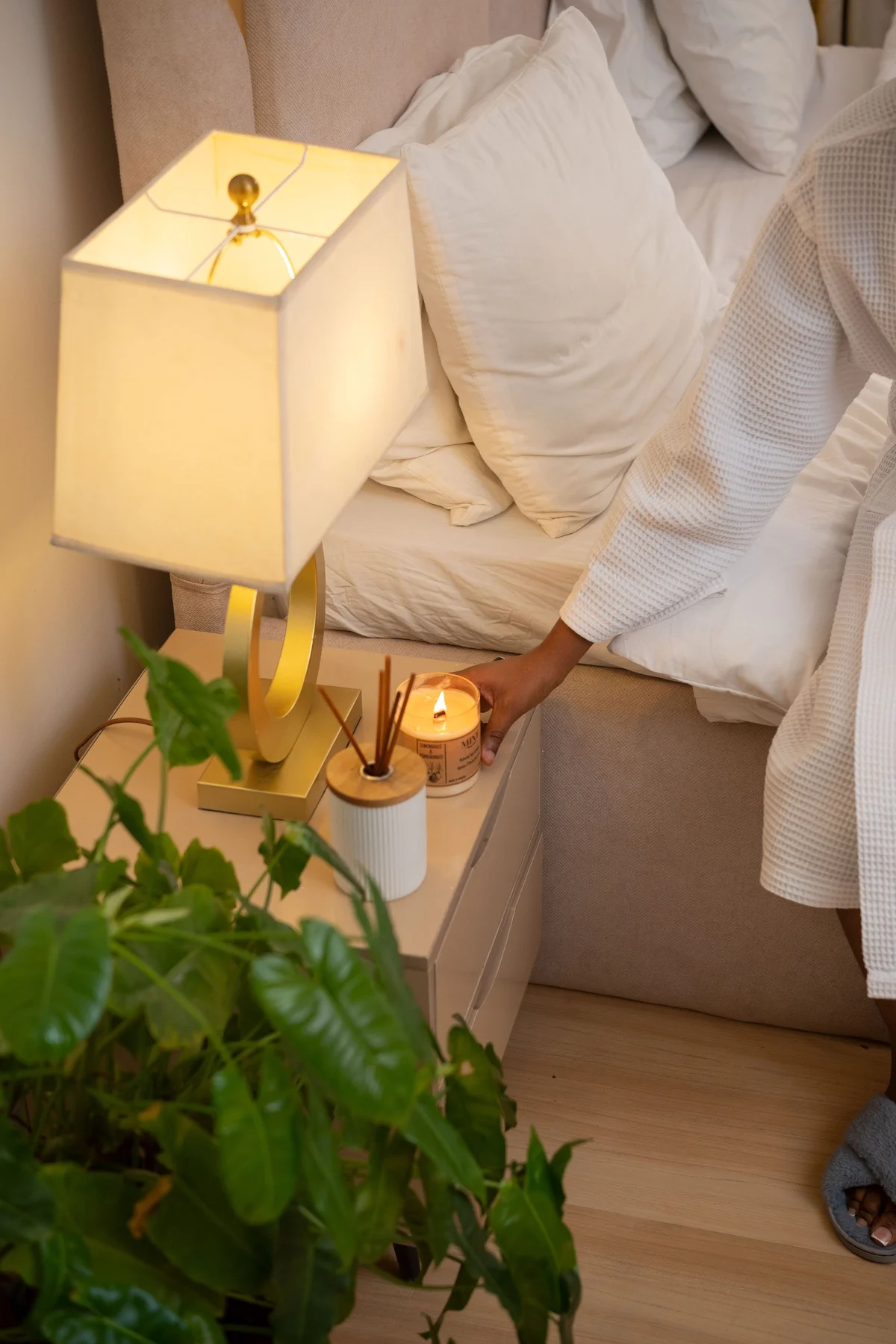
4. Soften the window with curtains that suit the room
Windows can make a bedroom feel either welcoming or unfinished. Even simple curtains introduce softness to a room dominated by wardrobes, doors, and straight furniture edges.
For a light, relaxed look, choose fabric with movement, such as cotton or linen-look panels. If the room needs more privacy or darkness, combine decorative curtains with suitable shades or lined panels. Don't assume sheer curtains will provide nighttime privacy when the interior lights are on.
A cozy bedroom shouldn't become darker than you want during the day. The goal is to control daylight, not permanently cover it.
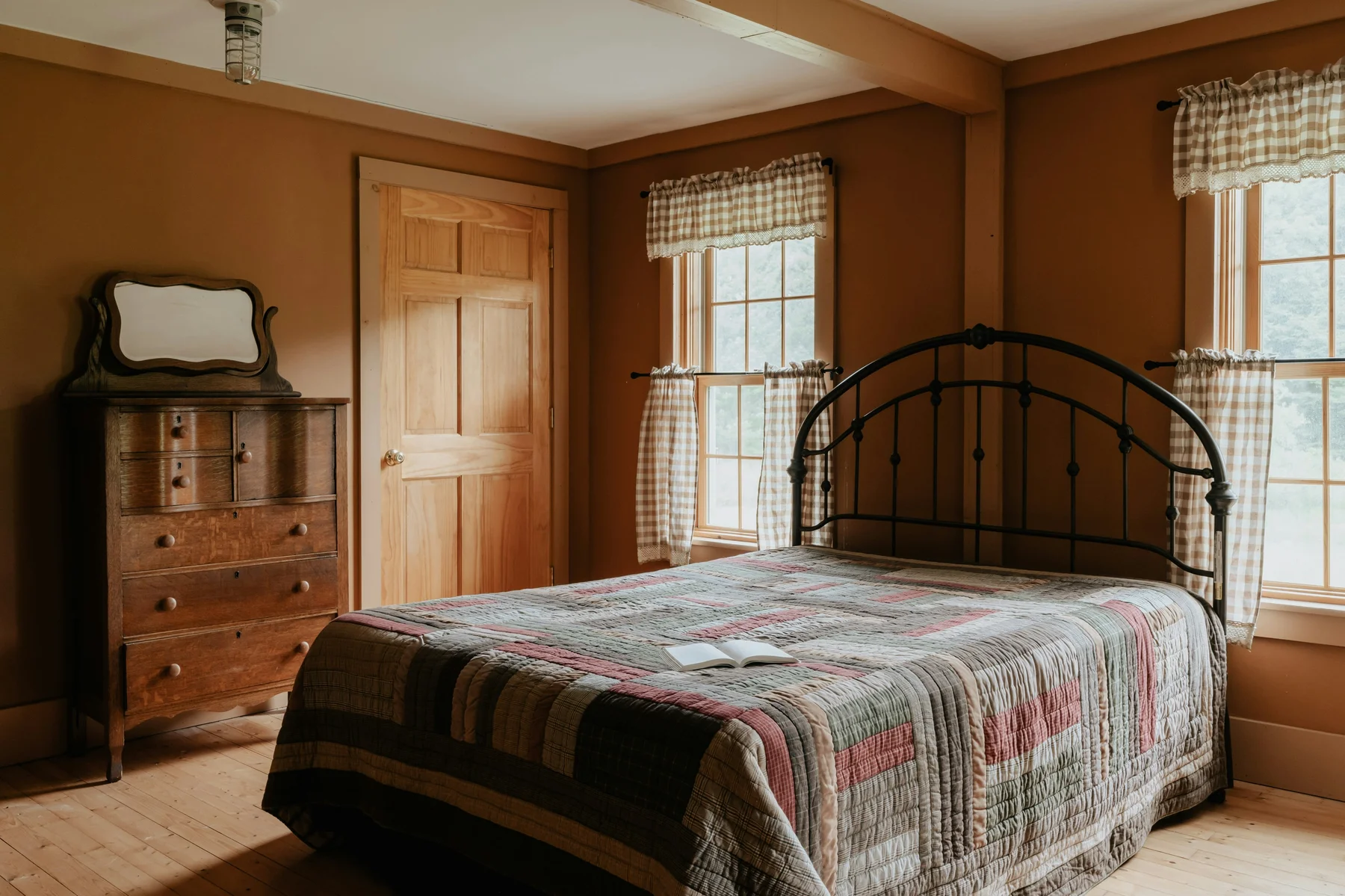
5. Give your feet something soft to land on
If you have hard flooring, a rug is one of the quickest ways to make the room feel less bare. The right rug also helps connect separate furniture pieces into one intentional composition.
For a larger room, a rug that extends beyond the sides and foot of the bed can visually anchor the bed. In a smaller room, two slim bedside runners or a washable accent rug may be more practical than forcing a large rug underneath heavy furniture.
Think about cleaning and daily use before choosing pile height. Plush rugs feel soft, but a low-pile or flatweave option may be easier to maintain and works better beneath furniture. On a slippery floor, use an appropriate rug pad and keep edges out of the main walking route.
6. Mix natural wood with a little contrast
A warm room benefits from surfaces that don't all look or feel the same. Wood provides visible grain and variation; ceramic adds a quiet matte finish; wicker adds texture; metal gives a little definition.
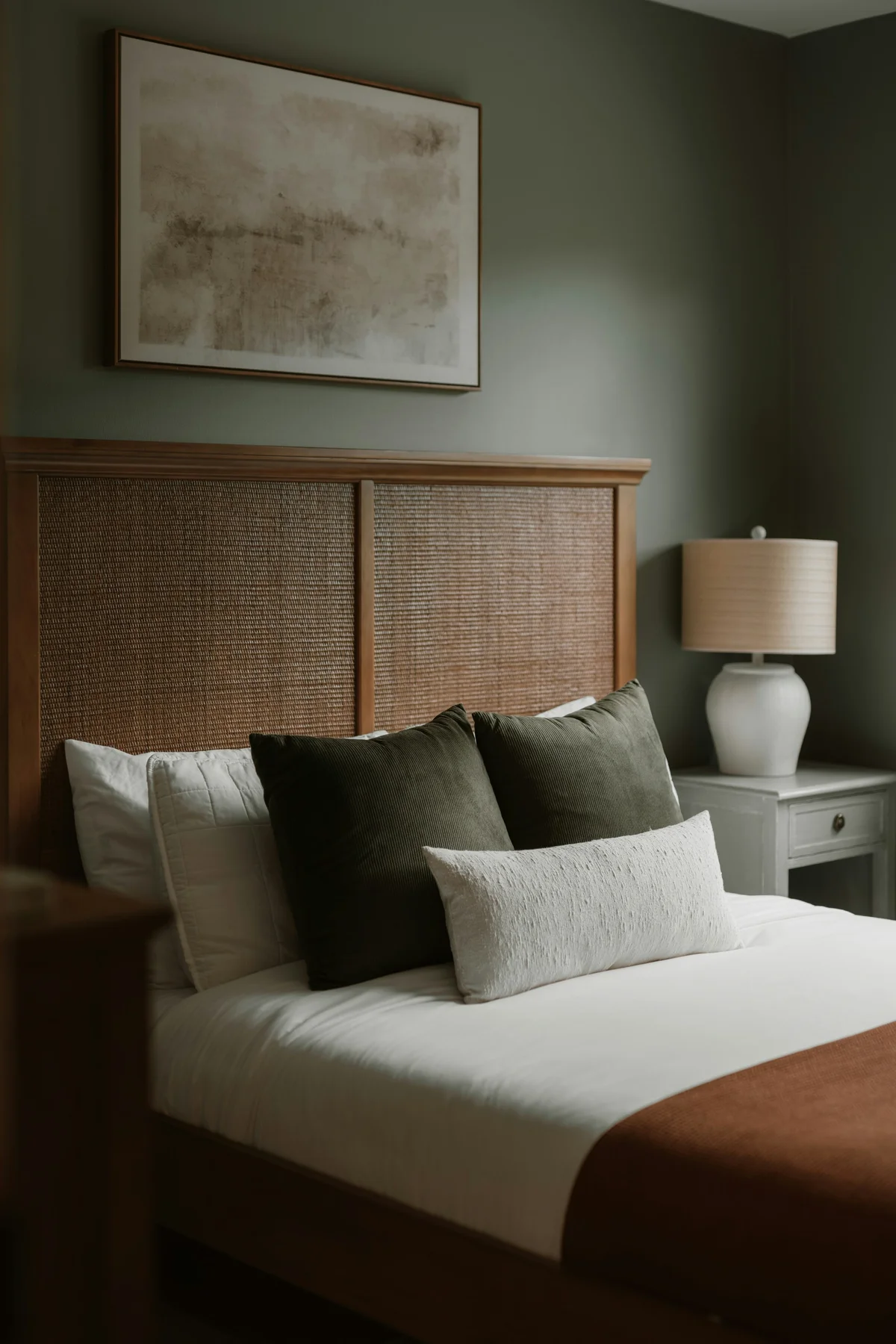
You don't need a coordinated bedroom set to achieve this. In fact, two perfectly matching dressers, nightstands, and lamps can sometimes make a room feel more like a display. A dark walnut table beside a painted bed, or a vintage dresser paired with a simple linen headboard, can feel more personal.
If existing wood finishes clash, look for a repeated undertone rather than an exact match. For instance, a medium-tone oak shelf and a warmer antique dresser can sit together when the rug and textiles connect their colors.
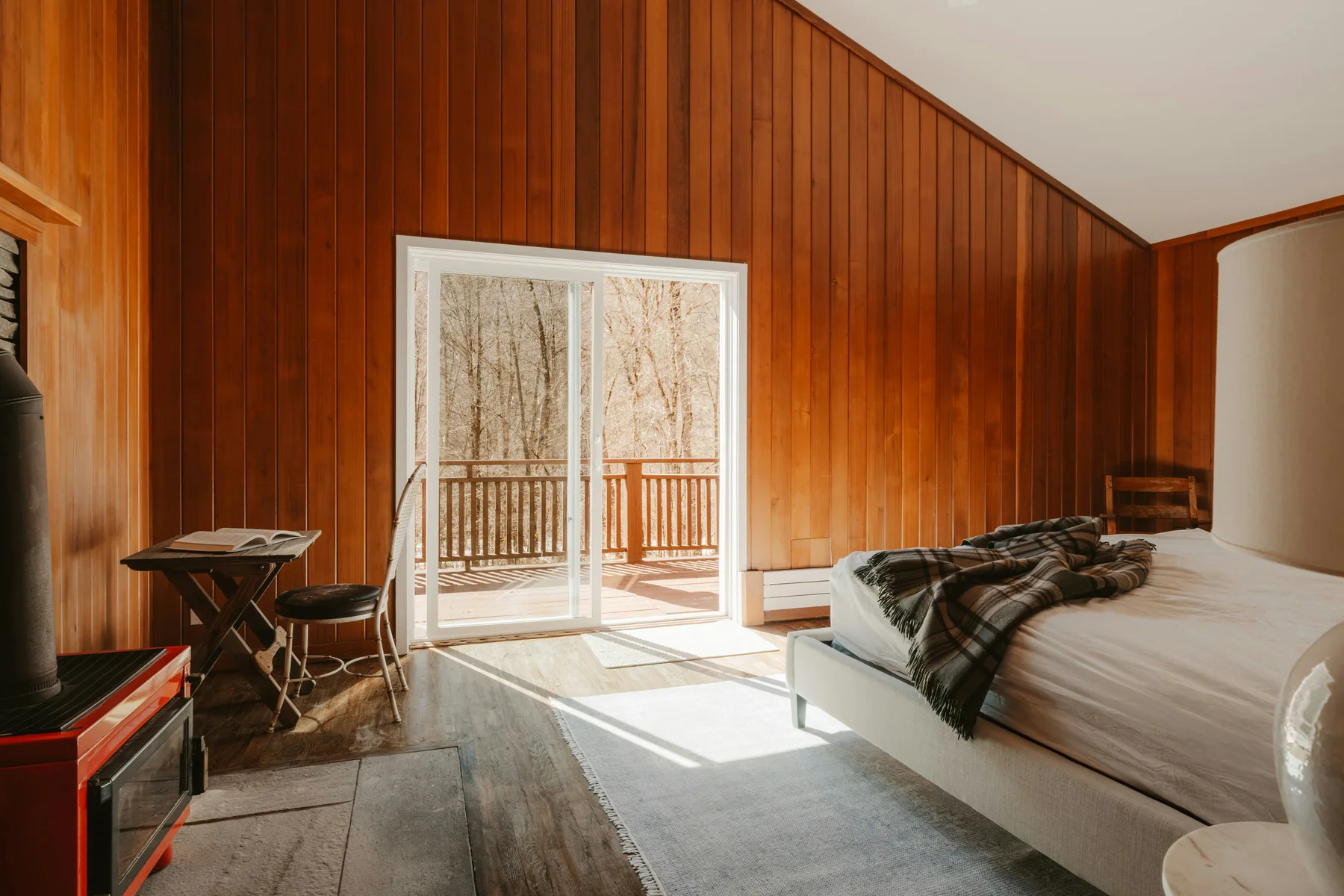
7. Make the bedside table useful as well as pretty
Your nightstand shouldn't be a miniature display shelf that leaves no room for a glass of water.
Start with the things you reach for most often: a lamp, book, phone, tissues, or a small dish. Give these items predictable homes. A shallow tray can contain the tiny objects that otherwise scatter across the surface.
If you have two bedside tables, they don't need identical styling. They do need a comfortable height and a clear place for essentials. In especially narrow rooms, a compact stool, wall-mounted shelf, or slim nightstand may work better than a wide cabinet.
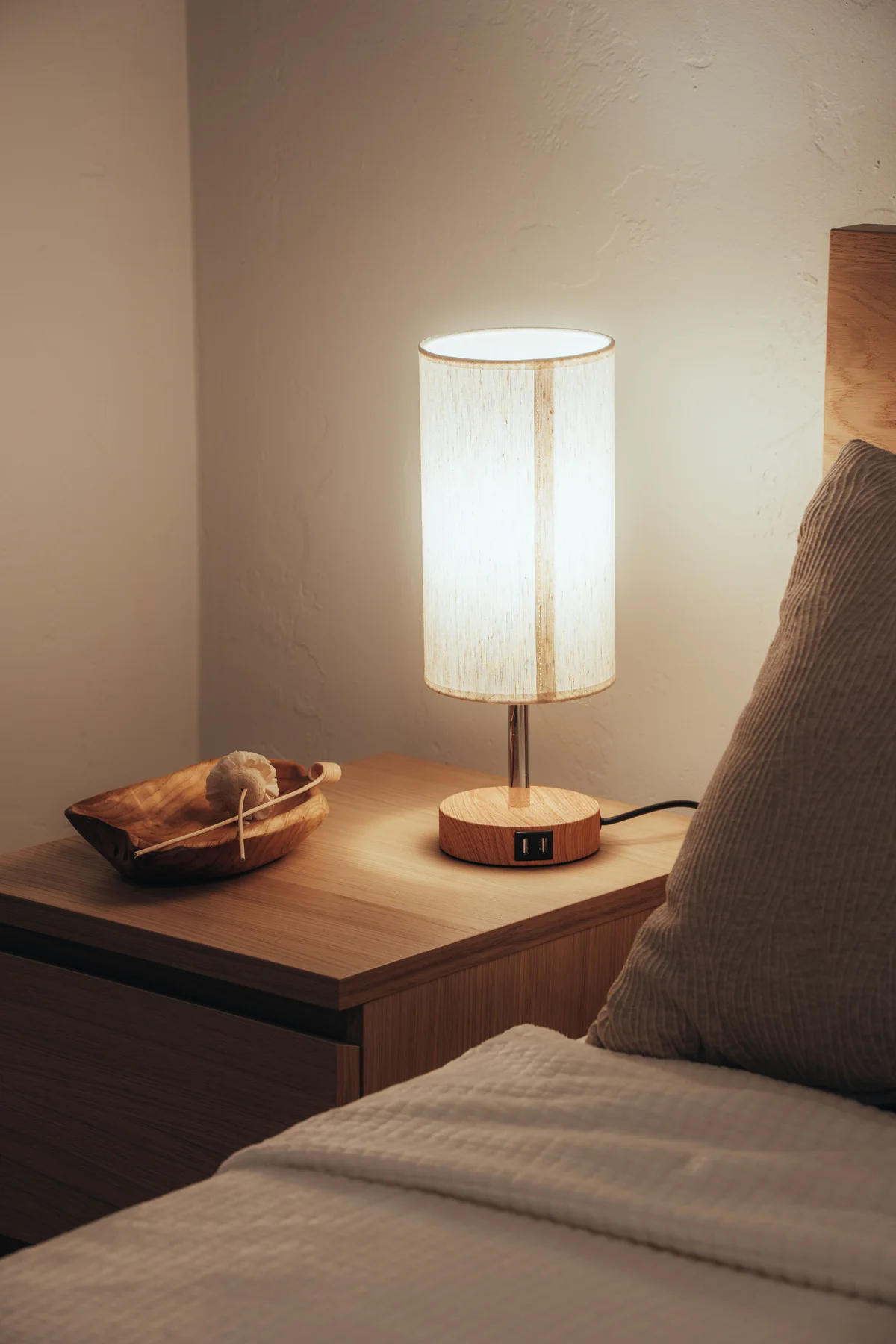
8. Choose one focal point instead of filling every wall
The bed is usually the natural focal point of a bedroom. You can make it feel intentional with a headboard, a thoughtfully placed piece of art, a textured wall, or a restrained set of framed prints.
Before you hang anything, look at the headboard width and the space between its top and the ceiling. A single artwork with enough visual weight can be calmer than several tiny pieces scattered widely apart. If your bedding is already patterned, simpler artwork creates a better balance.
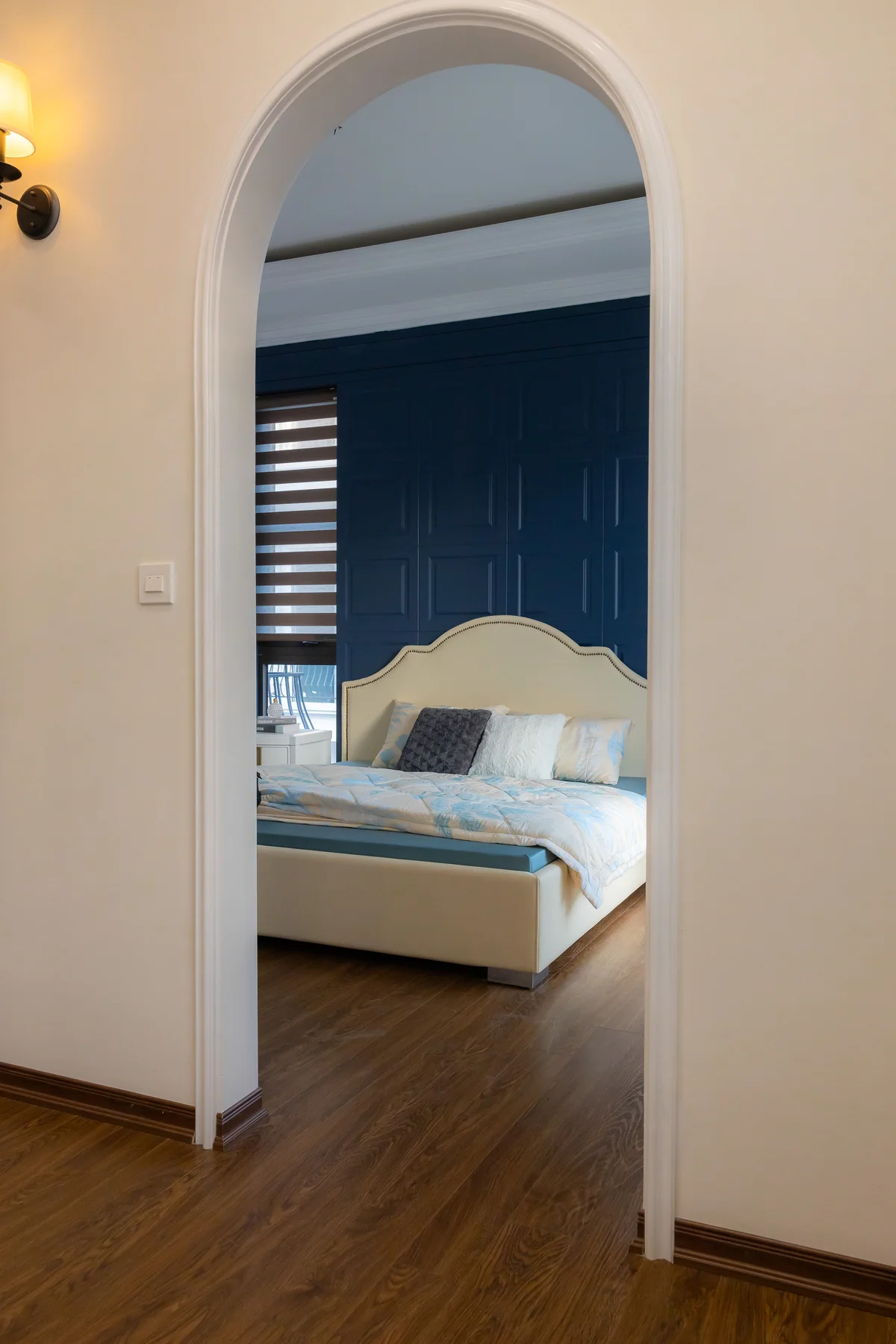
A painted feature wall can also work, especially when you repeat the wall color in textiles or a small accessory. Deep colors are not inherently unsuitable for cozy bedrooms; the effect depends on lighting, adjacent finishes, and how much contrast you prefer.
9. Let small patterns make the room feel lived in
Pattern can give a quiet bedroom personality without making it busy. A narrow stripe, subtle check, delicate floral, or vintage-inspired rug adds warmth to an otherwise plain space.
A useful approach is to vary the scale. Pair one medium or larger pattern with smaller, quieter details. For example, a checked quilt looks balanced beside plain curtains and a textured cushion; floral curtains may work best with solid bedding and a simple lamp.
For renters, a patterned duvet, curtain, or removable cushion cover is a far more reversible experiment than committing to wallpaper or permanent paint.
10. Create a reading corner only if the room can support one
A chair and a little lamp can make a bedroom more than a place to sleep. But a reading corner should never come at the expense of opening doors, reaching storage, or walking around the bed.
In a generous room, choose a supportive armchair, a small side table, and directed light. In a tighter room, a cushioned bench or a comfortable spot at the end of the bed may be sufficient. If there isn't space for seating, don't force it—a better bedside reading light may solve the real need.
11. Edit the room before buying more storage
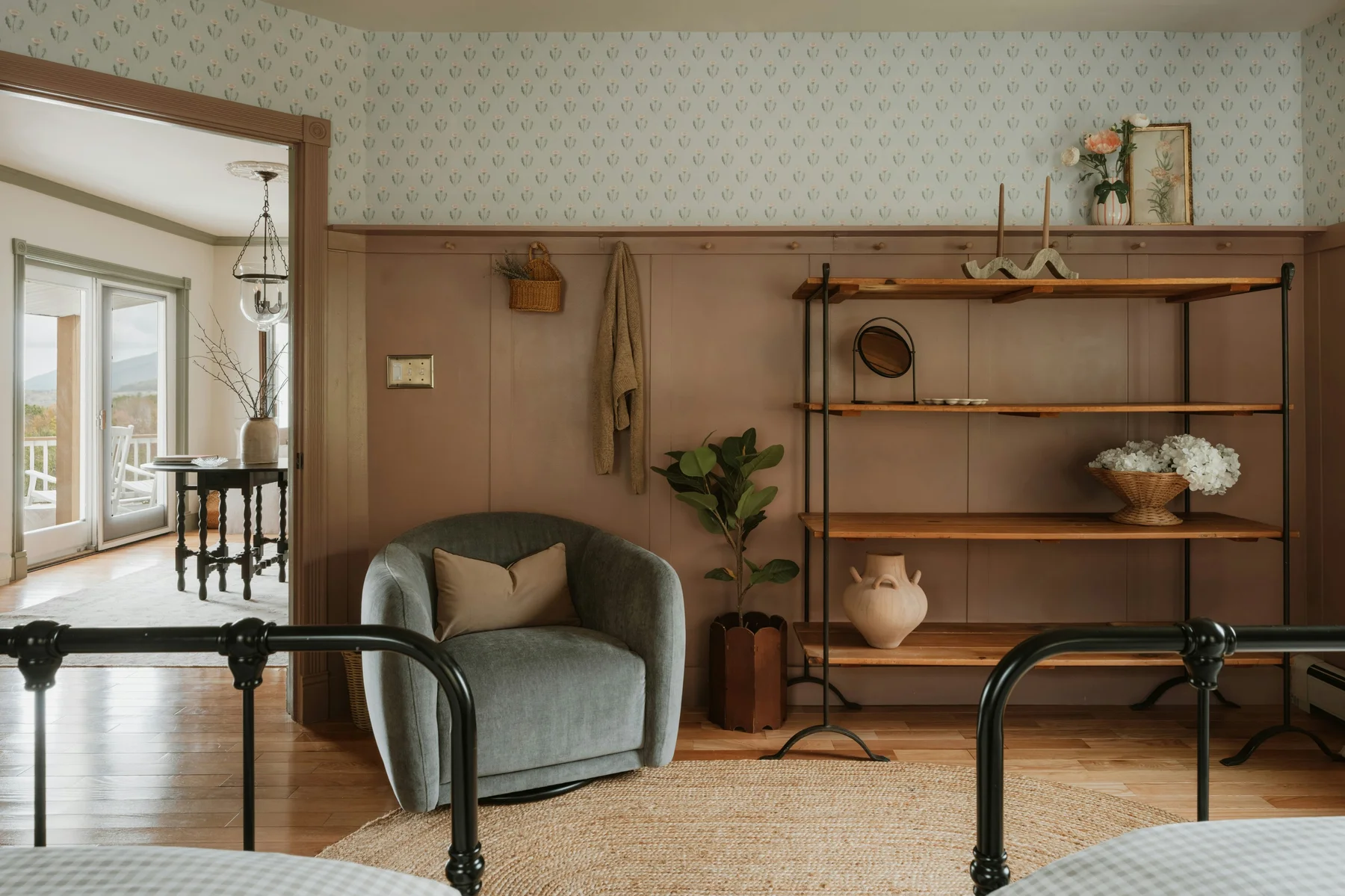
A comfortable bedroom usually has room to breathe. If the dresser is covered with items, the bed is collecting laundry, or every wall holds a shelf, another basket might not solve the underlying problem.
Begin with an easy edit. Remove empty packaging, move out items used in other rooms, and give everyday clothes a sensible storage spot. Then decide whether the real issue is limited drawer space, inadequate hanging space, or simply too many objects being kept within reach.
Closed storage can be especially helpful in a bedroom because it reduces the number of visible shapes and colors. Under-bed bins work for spare linens or off-season items if the bed provides clearance and the storage stays dry.
12. Finish with details that feel like your home
The most welcoming bedrooms rarely look completely anonymous. A framed family photograph, pottery brought back from a trip, an old quilt, or a handmade piece of art adds history that can't be bought as a matching set.
Limit these touches to a few places where they can be appreciated. One meaningful object on a shelf or nightstand may say more than a dozen interchangeable decorations. Real plants can add life if the room has suitable light and you want to care for them; otherwise, botanical artwork or a simple branch in a vase brings in a natural note without the maintenance.
The best changes if you're decorating on a budget
You don't have to purchase twelve things to use these twelve ideas. Start with the changes most likely to improve your everyday experience.
| If you have… | Focus on… | Try before buying | | --- | --- | --- | | No budget | Rearranging, editing clutter, better lamp placement | Move a lamp and remove extra objects from the dresser | | A small budget | Cushion covers, a throw, a lamp shade, a thrifted frame | Shop your own home for textiles and accessories | | A little more to spend | Curtains, an appropriately sized rug, improved bedside lighting | Measure the windows, floor and outlets first | | A larger decorating budget | Headboard, useful storage, comfortable seating | Confirm furniture dimensions and clearance |
Three common mistakes that work against a cozy bedroom
A simple weekend plan
On Friday, clear the bedside surfaces and move out anything that belongs in another room. On Saturday, rearrange the lamps and test your bedding colors and textures in daylight and after dark. On Sunday, measure for any item you still need: a curtain panel, rug, nightstand, or storage piece.
You may find the room feels substantially better before you have purchased anything. That's the point of cozy decorating: improve comfort and atmosphere first, then add what is missing.
Frequently asked questions
How can I make my bedroom cozy without spending much money?
Start with changes that cost nothing: clear surfaces, rearrange lighting, use the bedding you already own in a simpler combination, and move a favorite print or lamp from another room. If you choose one low-cost purchase, a warm bedside light or textured throw often has more visible impact than several small decorative objects.
Do cozy bedrooms have to use beige or white?
No. Warm browns, muted greens, dusty blues, terracotta, and even deep charcoal can look inviting. A restrained palette, soft textiles, and adjustable lighting matter more than a particular paint color.
How do I make a small bedroom feel cozy without cluttering it?
Prioritize the bed, bedside lighting, one useful storage solution, and clear circulation. Skip extra accent furniture if it limits access to the closet or doors. Add texture through bedding and curtains rather than filling shelves with objects.
What kind of lighting works best in a cozy bedroom?
A combination of useful general lighting and softer task or accent lighting gives you the most flexibility. For a warm atmosphere, many people like warm-white bulbs and dimmable lighting. Choose enough brightness for reading and dressing, and keep electrical fixtures safely positioned away from fabric.
Is a rug necessary in a bedroom with carpet?
Not at all. A rug can be useful on hard floors, but a carpeted bedroom may already have the softness you want. Spend your effort on lighting, bedding, or window treatments instead.
Sources
- IKEA: Making your bedroom warm and cozy
- IKEA: The art of bedroom lighting
- U.S. Department of Energy: Residential lighting guidance
- CPSC Anchor It: Furniture tip-over prevention
Photographs in this article are editorial examples sourced from photographers who license the selected images through Unsplash or Pexels. They are not NorahDecor-owned projects or evidence that NorahDecor styled, tested, or photographed the featured rooms.